in recent years, with the continuous development of construction technology, machine room-less design has begun to be widely used in the german construction industry. this design concept not only improves the overall efficiency of the building, but also helps save space and reduce energy consumption. this article will analyze the application of machine room-less design in germany and its significant advantages from multiple perspectives.
machine room-less design refers to the integration of mechanical and electrical equipment inside or outside the building without setting up a dedicated machine room. this design concept originated from the pursuit of efficient space utilization, especially in the context of tight urban space. germany, as a model of high-density cities, has gradually promoted this design concept. by embedding equipment into the building structure, machine room-less design can effectively free up valuable floor space to meet people's needs for modern living and office environments.
in germany, machine room-less design has been widely used in many fields such as commercial office buildings, residential communities and public facilities. many new construction projects include machine room-less design as standard, driving innovation in the construction industry. for example, many modern office buildings consider machine room-less layouts during the design stage to ensure efficient operation and maintenance of electromechanical equipment. this design not only improves the aesthetics of the building, but also reduces later maintenance costs, showing good market acceptance.
the environmental advantages of machine room-less design are mainly reflected in energy saving and carbon emission reduction. by integrating electromechanical equipment into the building structure, the energy consumption required to operate the equipment is reduced. in addition, this design can make better use of natural lighting and ventilation, reducing the need for air conditioning and lighting, thereby further reducing the building's overall energy consumption. as a global environmental pioneer, germany's promotion of machine room-less design is highly consistent with its sustainable development goals and is actively supported by policies.
not only do machine room-less designs excel in environmental aspects, they also have significant economic advantages. first of all, the computer room space in the building is reduced, the building's use area is optimized, and the rentable commercial space is increased. secondly, operating costs are reduced due to centralized management and maintenance of equipment. at the same time, with the advancement of technology, the cost of equipment required for machine room-less design is gradually reduced, making this design concept more economically feasible. many construction projects in germany have benefited from this, improving their return on investment.
at the technical level, machine room-less design promotes continuous innovation in the construction industry and promotes the intelligent development of electromechanical equipment. through the intelligent control system, the equipment in the building can operate more efficiently, automatically adjust energy consumption, and improve the intelligence level of the building. germany's technology accumulation and r&d investment in this field have greatly enhanced the feasibility of machine room-less design and application, becoming an important trend in future architectural design.
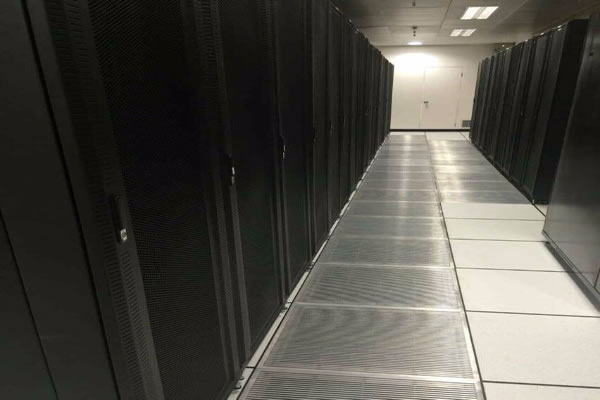
although machine room-less design has shown many advantages in germany, it still faces certain challenges in its promotion process. for example, the design and construction phases need to work closely together to ensure proper equipment layout and easy maintenance. in addition, due to the reliance on new technologies, designers and construction teams need to have corresponding professional knowledge and skills, which places higher demands on human resources. how to balance innovation and traditional design concepts still requires joint efforts within and outside the industry.
in general, the application of machine room-less design in germany shows good development prospects, and its environmental, economic and technical advantages have brought new opportunities to the construction industry. however, in the process of advancing this design concept, it is still necessary to pay attention to the cultivation of technology and talents to cope with possible challenges that may arise in the future. it is recommended that architectural designers and developers fully consider the implementation of machine room-less design at the early stage of the project to ensure that the building can achieve the best balance between aesthetics, functionality and sustainability.
- Latest articles
- Precautions For Purchasing Vps In Singapore From The Perspective Of After-sales And Security
- Market Observation Analysis Of The Differences Between Mainstream Manufacturers And Services Of U.S. Vps Cloud Servers H
- Cambodia Cn2 Return Server Troubleshooting And Optimization Skills From The Perspective Of Server Operation And Maintenance
- German Independent Server Hardware Failure Emergency Handling Process And Spare Parts Strategy Recommendations
- Comparison And Evaluation: How To Identify The Hidden Costs Behind Cheap Thailand Vps?
- The Deployment Guide Teaches You How To Bind And Manage Vietnam Vps Native IP To Avoid The Risk Of Abuse
- Cambodia Server Rental Cost Details And Price/performance Comparison Analysis
- Best Practices For Vietnamese Native IP Nodes In SEO Optimization And Regional Testing
- Commercial Scenario Estimation: How Much Does Native IP Cost In Taiwan? Discount Model For Bulk Purchases
- How To Efficiently Communicate With Hostease Hong Kong Server Customer Service To Solve Problems
- Popular tags
-

Gta5 Server Status And Player Experience In Germany
this article discusses the current status of gta5 servers and player experience in germany, and analyzes network stability, community activities and future development. -
The Perfect Combination Of German Computer Room Wiring Art And Functionality
discuss the perfect combination of german computer room wiring art and functionality, and analyze its importance and best practices in modern data centers. -

Application And Case Analysis Of German Brand Ranking Of In-vehicle Servers In Autonomous Driving Projects
discuss the evaluation criteria, technical advantages, key application scenarios and case analysis methods of german brand rankings of in-vehicle servers in autonomous driving projects, and provide selection and implementation suggestions.